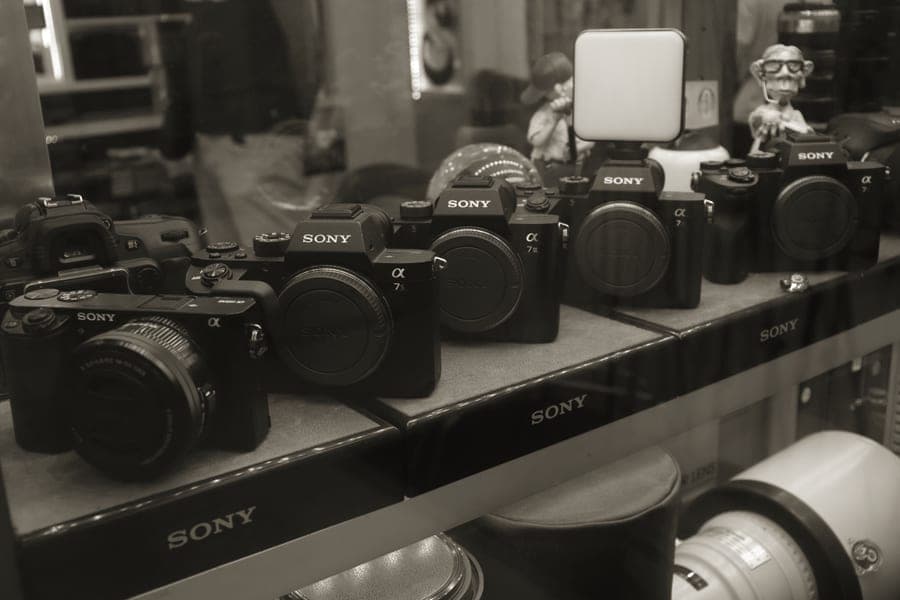
Best overall
The best instant cameras for 2026
Six instant cameras, each picked for a specific recipient, with the per-shot film cost beside every one.
Top pick: Fujifilm instax mini 12
Check priceEvery camera here takes film you have to keep buying. We name one pick per situation and put the per-shot cost next to it, so the running bill is visible before you commit.
The best instant camera for most people is the Fujifilm instax mini 12 or the newer mini 13: both are effectively one-button cameras on the cheapest, most widely stocked film at about 85 cents a shot. Choose a Polaroid only if the big square print matters more than a threefold film cost.
How this page is funded. Shake & Print earns a commission when you buy through our links, at no extra cost to you. It does not change which products we pick or the order we rank them in, and we do not state prices we have not verified — the buy buttons send you to the current listing instead. Full disclosure.
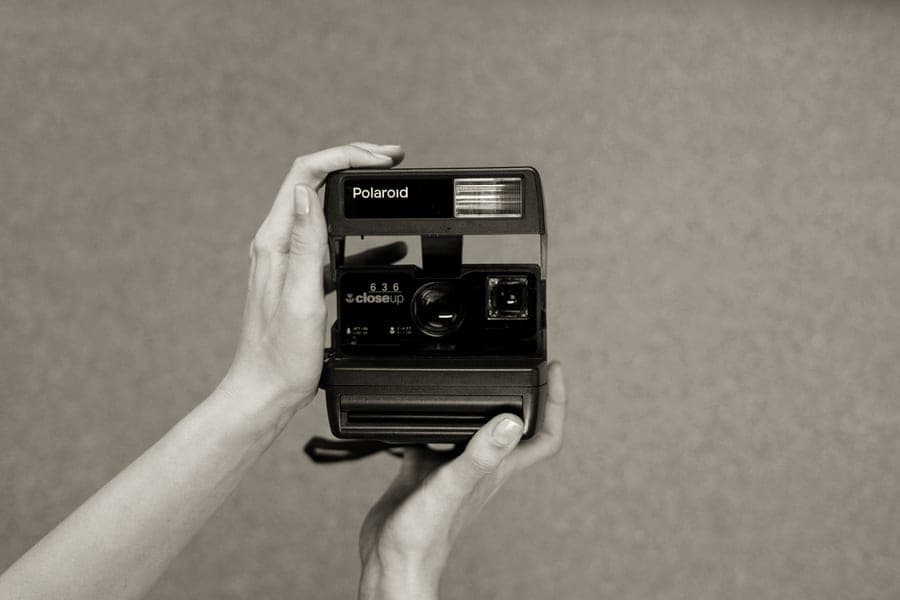
Twist the lens to switch it on, press the button, and a print comes out. There is no mode dial to misunderstand, and the film is the cheapest in the category.
#ad · we earn a commission at no extra cost to you
An instant camera does one thing a phone cannot: it hands somebody a physical photograph, in the moment, that only exists once. That is the whole appeal, and it is also why the category is easy to buy badly — the appeal is emotional and the cost is arithmetic.
There are really only three decisions here. Which print size you want, which brand's film you are willing to keep buying, and whether the recipient wants a camera that just works or one with dials to play with. Everything else is color options.
The print-size decision is the one that locks you in. A camera only ever takes one format of film, so choosing the camera is choosing every film purchase for the life of the gift. The three Fujifilm formats — mini, SQUARE and WIDE — run from about 85 cents to $1.15 a shot. Polaroid's full-size film runs about $2.37. That gap is the single most useful fact in this category.
Best overall
Six instant cameras, each picked for a specific recipient, with the per-shot film cost beside every one.
Top pick: Fujifilm instax mini 12
Check price
Best under $100
Four instant cameras under $100, ranked by what they cost to own rather than what they cost to buy.
Top pick: Fujifilm instax mini 12
Check price
Best under $50
There is no new instant camera under $50 — so here is the closest option, and the three better ways to spend the money.
Top pick: instax mini pocket album
Check price
Best for beginners
Four cameras a complete beginner cannot get wrong, plus the mistake that ruins most first packs of film.
Top pick: Fujifilm instax mini 12
Check price
Best for adults
Four instant cameras aimed at adults, from a restrained one-button model to the one with real manual controls.
Top pick: Fujifilm instax mini 41
Check price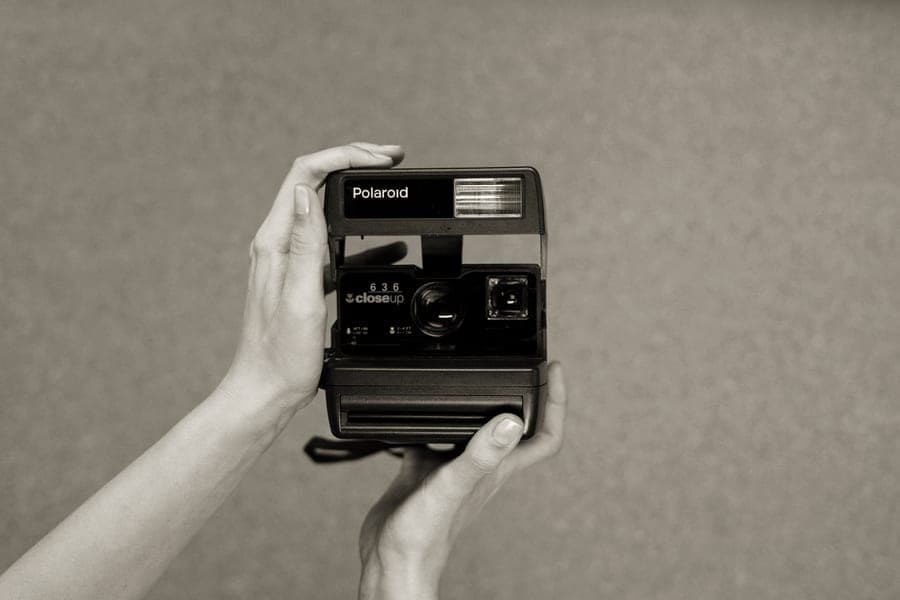
Best instax
Every instax camera worth buying, with the differences between the four near-identical mini models spelled out.
Top pick: Fujifilm instax mini 12
Check priceinstax mini prints are 2.4 x 1.8 inches, about the size of a credit card, and are the cheapest to feed. instax SQUARE is 2.4 x 2.4 inches, the format most people picture when they say 'Polaroid'. instax WIDE is 3.9 x 2.4 inches and is the only format that comfortably fits a group of people. A real Polaroid print is 4.2 x 3.5 inches and the biggest of the lot.
This catches people out. The simple instax minis take AA batteries, the SQUARE SQ40 takes two CR2 lithium cells that cost more and are harder to find, and the mini 99, Polaroid Go and Polaroid Now are rechargeable. For a gift, rechargeable is one less thing to go wrong; for a trip somewhere remote, AA is one less thing to run out of.
Pick the number of photos you think they will actually take in a year, multiply by the per-shot figure in the table above, and add it to the camera price. For a hundred shots a year that is about $85 of instax mini film or about $237 of Polaroid i-Type — more than either camera costs. The film is the purchase; the camera is the deposit.
The camera is the deposit; the film is the purchase. Every figure below was checked against a live retail listing and links to the listing it came from.
| Format | Print size | Pack | Pack price | Cost per shot | Checked at |
|---|---|---|---|---|---|
| instax mini | 2.4 x 1.8 in (62 x 46 mm) | 20 | $16.99 | $0.85 | Pro Photo Supply |
| instax WIDE | 3.9 x 2.4 in (99 x 62 mm) | 20 | $21.99 | $1.10 | Pro Photo Supply |
| instax SQUARE | 2.4 x 2.4 in (62 x 62 mm image on 86 x 72 mm film) | 20 | $22.99 | $1.15 | Pro Photo Supply |
| Polaroid Go | 2.6 x 2.1 in (66.6 x 53.9 mm) | 16 | $21.99 | $1.37 | Polaroid |
| Polaroid i-Type | 4.2 x 3.5 in (107 x 88 mm) | 8 | $18.99 | $2.37 | Polaroid |
They are worth it if you want physical photographs to hand out, pin up or put in an album. They are not worth it if you want good pictures — a phone beats every camera in this category on image quality — and they are expensive per photo, from about 85 cents to $2.75 a shot depending on the film.
Yes. Fujifilm currently lists thirteen instax models in the US, including the mini 13, mini 12, mini 41, mini 99, SQUARE SQ40 and WIDE 400, and Polaroid sells the Go Generation 3, Now Generation 3, Flip and Mod. Film for all of them is in production and widely stocked.
For sheer print quality, the larger formats have the advantage simply because the picture is bigger — instax WIDE and full-size Polaroid hold more detail than an instax mini. For consistently well-exposed results, a hybrid like the instax mini Evo wins, because you see the shot on a screen and only print the good ones.
Cost per shot is the main one, at 85 cents to $2.75 a picture. Beyond that: there is no second copy unless you scan the print, the fixed-focus lenses on cheaper models are unforgiving, flash is doing most of the work indoors, and prints fade in direct sunlight. The upside is a physical photograph, which is the entire reason to buy one.
A printer is better if the photos already exist on a phone, and cheaper per print — 39 to 60 cents for most printer media against 85 cents and up for instant film. A camera is better for the moment itself: handing someone a photograph at the party is not the same as posting it to them next week.